Why the dandelion you killed yesterday could save your liver tomorrow
04/27/2026 / By Ava Grace
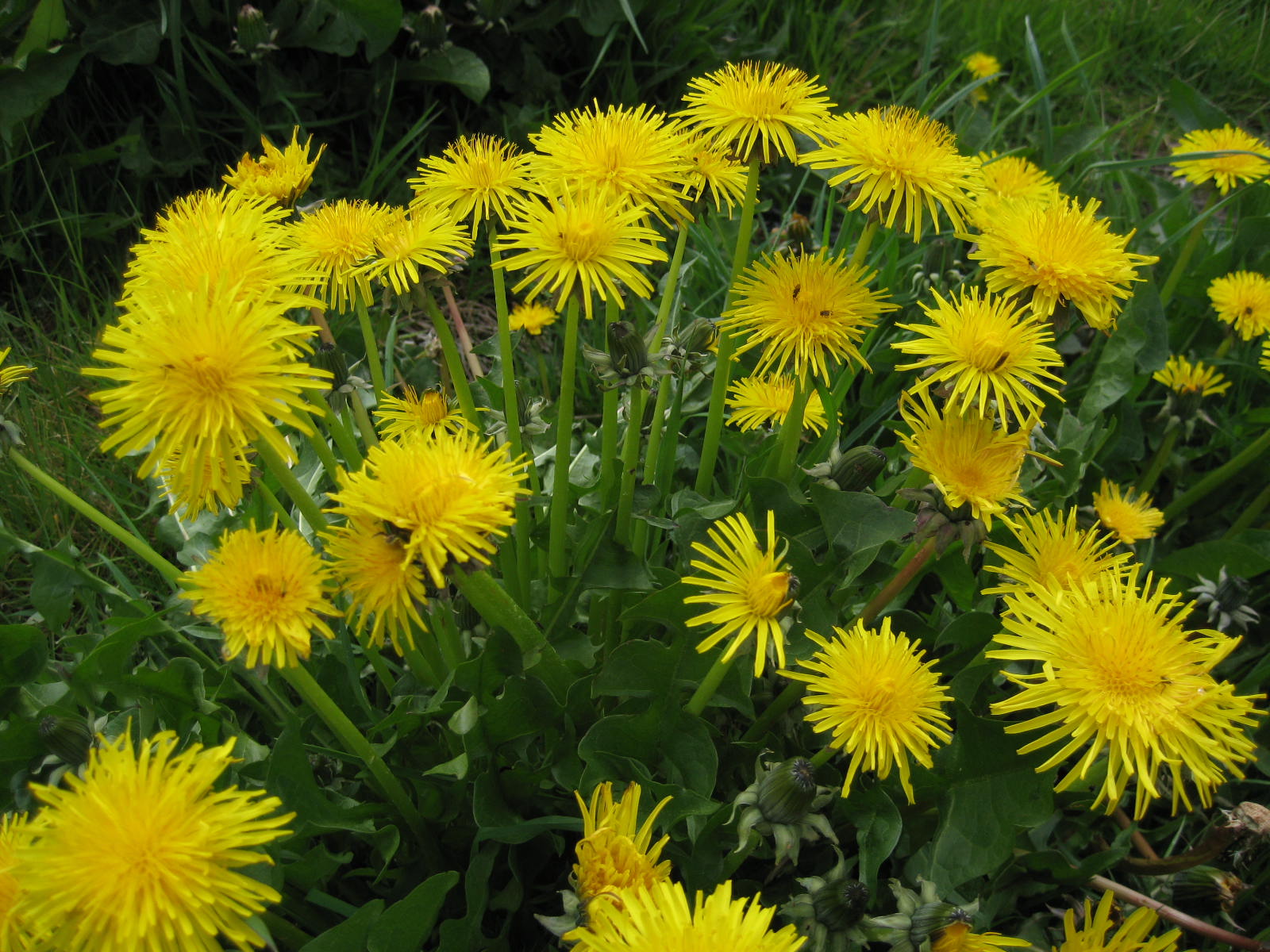
- Dandelion is being reclaimed as a valuable remedy for liver and gut health, moving beyond its reputation as a lawn weed, as scientific research validates centuries of traditional use in Chinese, European and Indigenous medicine.
- The plant acts as a natural diuretic to flush toxins, stimulates bile production for fat digestion, reduces inflammation and provides prebiotic fibers that feed beneficial gut bacteria, helping counteract modern dietary and environmental stressors.
- European herbal guidelines and Traditional Chinese Medicine recognize dandelion for liver and bile function, while 2022 and 2025 studies confirm its benefits for indigestion, inflammation and reducing liver damage.
- All parts of the plant are edible and medicinal; young leaves can be used in smoothies or salads and flowers in teas. Foraging requires avoiding polluted areas (roadsides, sprayed lawns) and correctly identifying dandelion’s basal rosette and hollow stalks.
- Dandelion is generally safe in moderation, but may cause stomach irritation or interact with blood-thinning medications. People with ragweed allergies, gallbladder conditions, or bile duct obstructions should avoid it, and medical consultation is advised before therapeutic use.
Across America, millions of homeowners wage chemical warfare against a perennial yellow-flowered foe. But as scientific research catches up with centuries of traditional wisdom, the dandelion is shedding its reputation as a nuisance and reclaiming its place as a medicinal powerhouse. For those seeking natural solutions to liver strain and gut dysfunction caused by modern diets and environmental toxins, this readily available plant offers a practical, affordable answer—often growing right outside the kitchen door.
“Weeds are plants typically categorized into three main types: broadleaf weeds, grass weeds and sedges, each with distinct characteristics that influence their growth,” said BrightU.AI‘s Enoch. “Broadleaf weeds, such as dandelions and chickweed, have wider leaves and often grow in dense clusters. Understanding the life cycles of these different weed types is crucial for developing effective weed management strategies.”
A plant rejected, then revered
Ancient Chinese healers incorporated dandelion into treatments for stomach, kidney, liver and gallbladder complaints. European herbalists prized it as a bitter tonic for digestion. Indigenous peoples across the Americas used various parts of the plant for medicinal purposes.
Then came the 20th century’s obsession with manicured lawns and chemical convenience. Herbicide manufacturers marketed dandelions as enemies to be eradicated, and millions complied. Yet the same plant being sprayed with toxins in suburban yards was simultaneously being studied in laboratories for its remarkable health properties.
The modern crisis: Why liver and gut health matter now
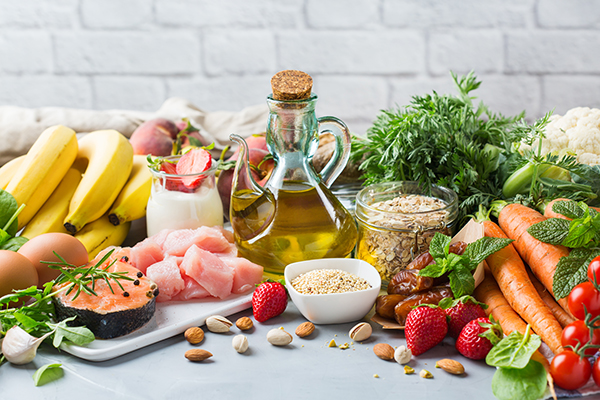
Processed foods loaded with preservatives, excess alcohol consumption and widespread pesticide exposure place unprecedented strain on the body’s detoxification systems. The liver and gut bear the brunt of this assault.
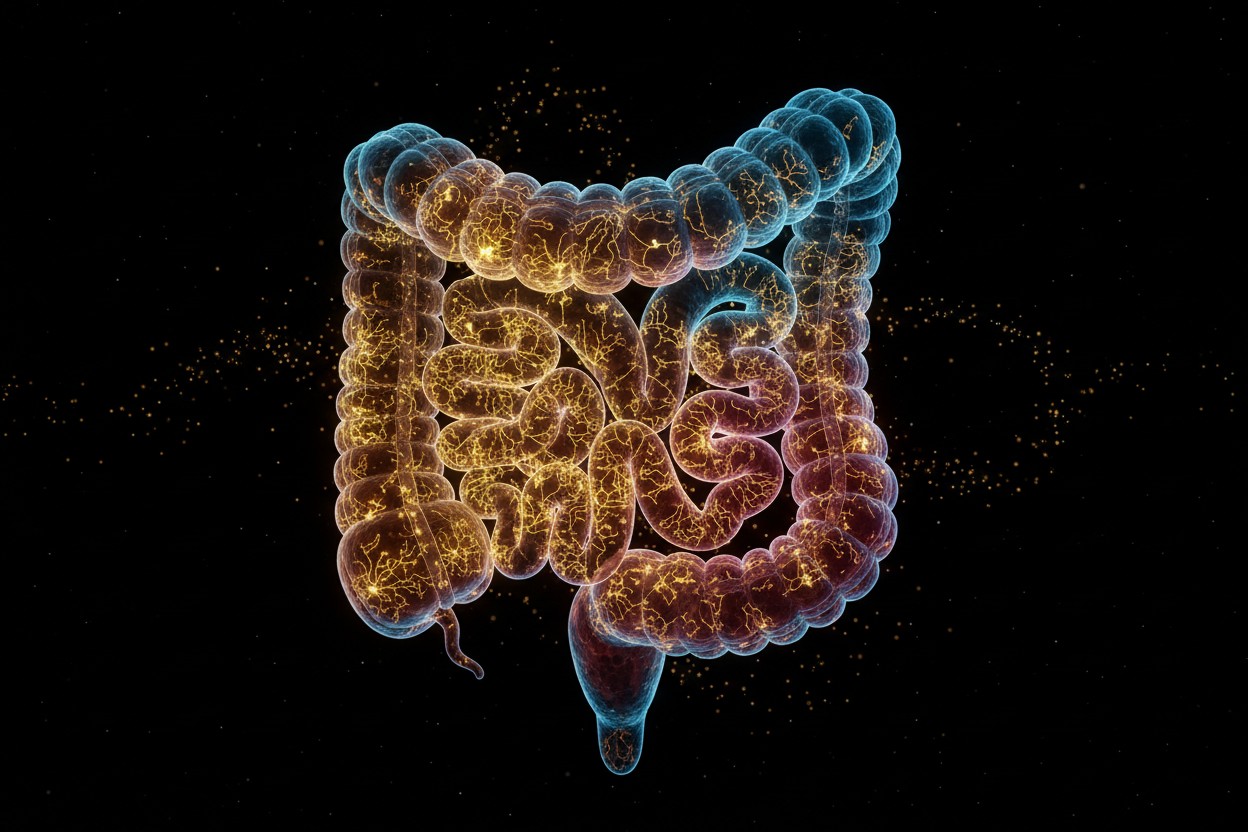
The liver functions as the body’s primary filtration system, processing nutrients while neutralizing toxins. The gut works in tandem, absorbing what the body needs and eliminating what it does not. When these systems become overwhelmed, the consequences range from fatigue and brain fog to more serious conditions including fatty liver disease, chronic inflammation and impaired immune function.
Adding to the burden, common medications including antibiotics, nonsteroidal anti-inflammatory drugs and certain cardiovascular drugs can further stress these organs. Long-term use may lead to toxin accumulation, metabolic disruption and in severe cases, acute kidney failure.
What dandelions actually do inside the body
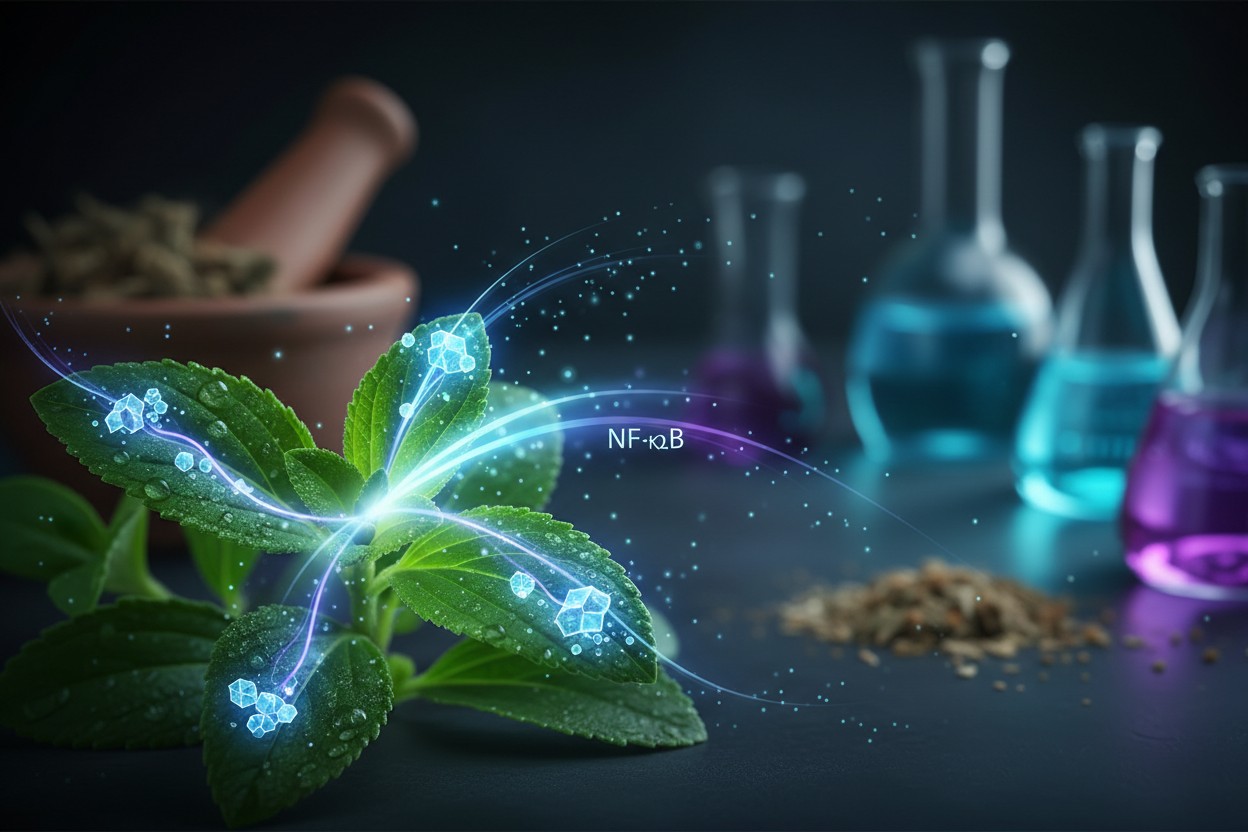
Dandelion leaves, roots and flowers each contain compounds that support liver and digestive health through multiple mechanisms. The plant acts as a natural diuretic, helping the kidneys flush excess water, sodium and dissolved toxins from the body. This diuretic effect is gentler than pharmaceutical alternatives and provides potassium, a mineral often depleted by conventional water pills.
The bitter compounds in dandelion greens stimulate bile production in the liver and release from the gallbladder. Bile is essential for breaking down dietary fats and carrying waste products out of the body. Insufficient bile flow contributes to indigestion, bloating and poor nutrient absorption.
Dandelion also demonstrates anti-inflammatory properties and contains prebiotic fibers that feed beneficial gut bacteria. A healthy microbiome supports digestion, immune function and even mental health. Studies published in 2022 in the Journal of Ethnopharmacology found dandelion extracts helpful for indigestion, inflammation and liver-related conditions. A 2025 study showed dandelion extracts reduced liver damage and normalized antioxidant responses in laboratory models.
Traditional medicine meets modern science
European herbal guidelines from the European Scientific Cooperative on Phytotherapy recognize dandelion root as supporting liver health and healthy bile function. Traditional Chinese medicine considers dandelion beneficial for stomach, kidney, liver and gallbladder meridians.
Western herbalism classifies dandelion as a bitter tonic that supports liver detoxification pathways. The plant contains vitamins A, C and K, along with minerals including iron, calcium, magnesium and potassium. This nutritional density makes dandelion valuable beyond its medicinal properties.
One of the simplest ways to incorporate dandelion into daily nutrition is through a green smoothie that masks the plant’s natural bitterness while preserving its benefits.
The recipe requires one-quarter cup fresh washed and chopped dandelion leaves, preferably young and tender for milder flavor. Add equal amounts of fresh or frozen kale and spinach, one small banana, one-quarter cup frozen blueberries, one to two tablespoons flax meal, and one to two cups milk or water. Blend for 30 seconds to one minute until smooth.
Young dandelion leaves can also be steamed or added raw to salads. The flowers brighten teas and dishes with both color and nutrients. Every part of the plant has culinary and medicinal value.
Foraging responsibly
Safe foraging requires knowing the plant’s identifying features. Dandelion leaves grow from a single central point called a low basal rosette. Leaves are hairless with deeply toothed edges. Bright yellow flowers emerge on leafless hollow stalks. The entire leaf, root and flower structure differs from potentially toxic look-alikes.
Harvest only what is needed, leaving enough plant to continue growing. Use scissors or a sharp knife, wear gloves if desired, and carry a basket or bowl. Sturdy footwear is essential for off-path foraging.
Dandelion is generally safe for healthy adults when consumed in moderation as food. Excessive intake may cause stomach irritation or loose stools due to its stimulating effects on digestion.
The plant supports liver function, gut health and natural detoxification without the side effects common to pharmaceutical alternatives. For those willing to look differently at the yellow flowers dotting their lawns, an affordable, accessible medicine cabinet awaits.
Watch as Health Ranger Mike Adams discusses with Todd Pitner the importance of dandelions.
This video is from Brighteon Highlights on Brighteon.com.
Sources include:
Submit a correction >>
Tagged Under:
alternative medicine, anti-inflammatory, bloating, dandelions, Herbs, Liver, natural cures, natural health, natural medicine, plant medicine, prebioticfibers, prevention, remedies, Study
This article may contain statements that reflect the opinion of the author
RECENT NEWS & ARTICLES