Your gut’s worst enemies: The 5 foods that sabotage your inner ecosystem
04/13/2026 / By Ava Grace
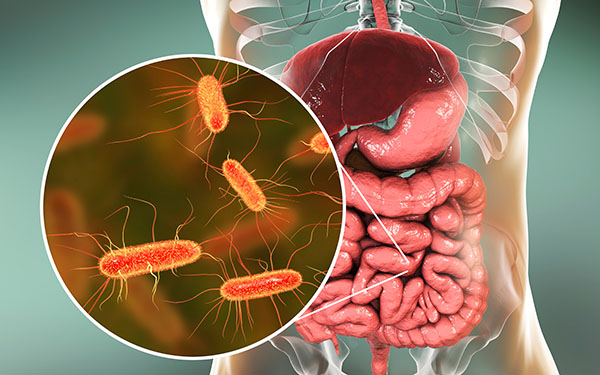
- Modern dietary choices are the primary force shaping this internal ecosystem.
- Five key food groups disrupt gut health: processed meats (promoting inflammatory compounds), ultra-processed foods (eroding microbial diversity), alcohol (harming the gut lining), artificial sweeteners (causing metabolic imbalance) and—for many—dairy (triggering intolerance and inflammation).
- The core problem is dysbiosis, an imbalance in the gut’s microbial community. This state, driven by the foods above, is linked to increased gut permeability (“leaky gut”) and systemic inflammation, raising the risk for chronic diseases.
- A resilient microbiome is built through strategic nutrition. This includes probiotic foods (like yogurt and kimchi), prebiotic fibers (from bananas, onions, etc.), a diverse high-fiber plant-based diet and polyphenol-rich foods (like berries and tea).
- Choosing whole, fermented and fiber-rich foods over modern processed items nurtures the symbiotic relationship with our gut microbes, building long-term health resilience from within.
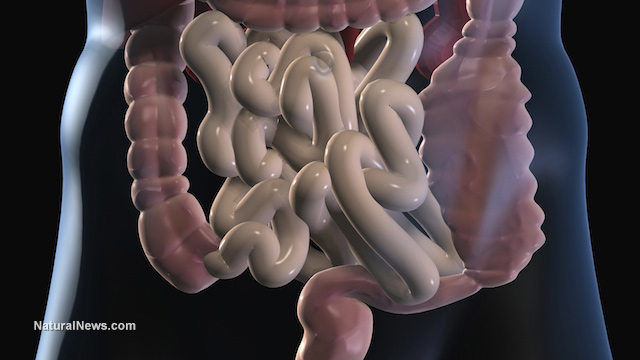
In an era where chronic illness rates soar and public health guidance often seems contradictory, a growing body of scientific research is directing attention inward—to the trillions of microorganisms residing in the human digestive tract. This complex inner world, known as the gut microbiome, is now understood to be a cornerstone of overall health, influencing everything from digestion and immunity to mental well-being and disease risk. The critical news for consumers today is that daily dietary choices act as the primary architect of this microbial community, with certain commonplace foods systematically dismantling its health-promoting structure. Understanding which foods to avoid and what to eat instead is not merely a matter of dietary preference but a fundamental strategy for preventive healthcare in the 21st century.
From germ theory to microbial symbiosis
For over a century, since the widespread acceptance of germ theory, the prevailing view of microorganisms was largely adversarial. The goal was eradication, a mindset cemented by the miracle of antibiotics. However, the last two decades have witnessed a scientific revolution. Researchers now recognize that the human body is a superorganism, hosting a vast community of bacteria, fungi and viruses that are not invaders but essential partners. These commensal microbes aid in digestion, produce vital nutrients, train the immune system and provide a first line of defense against pathogens. The modern crisis of dysbiosis—an imbalance in this ecosystem—is directly linked to the rise of processed foods and shifting dietary patterns, making the current findings on specific food culprits urgently relevant.
The five offenders: A breakdown of gut disruptors
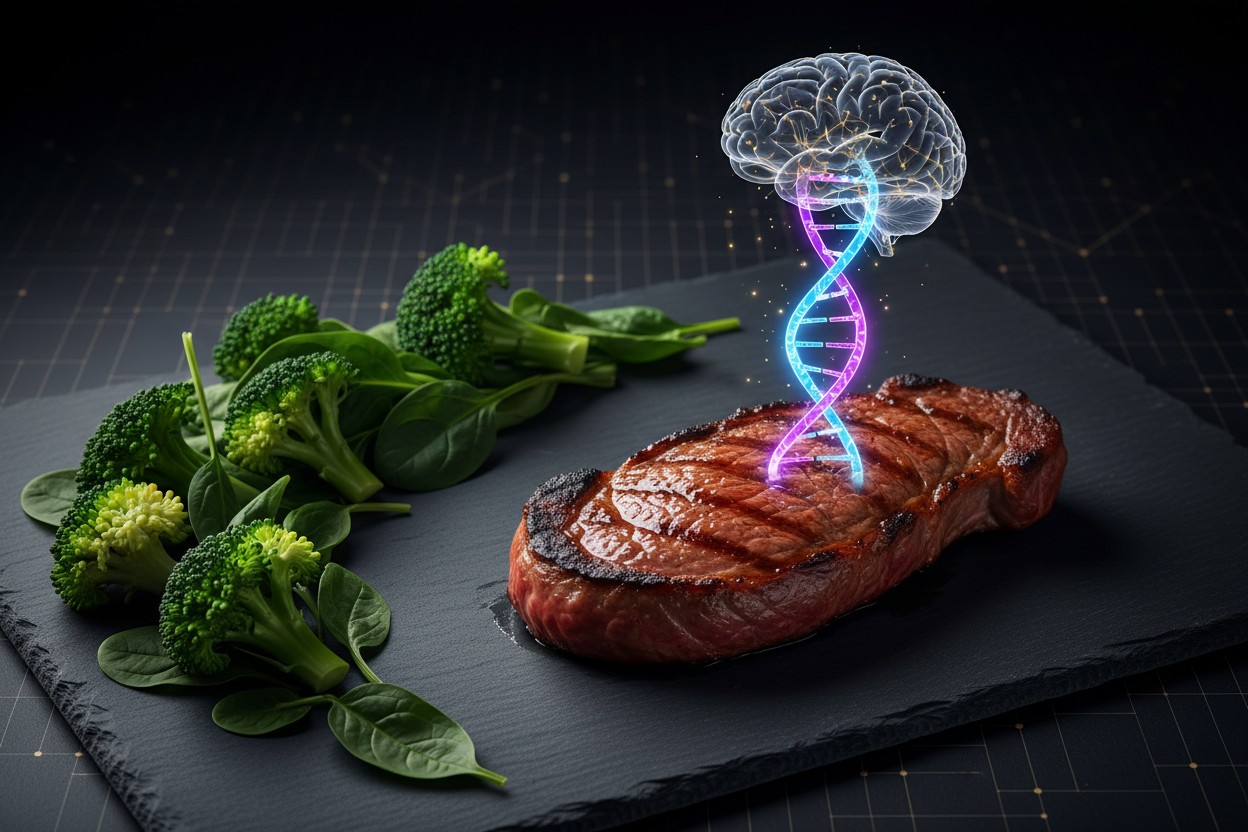
The first and perhaps most politically charged offender is red meat. The issue extends beyond saturated fat. Gut microbes metabolize L-carnitine, abundant in red meat, into a compound called trimethylamine-N-oxide (TMAO). High levels of TMAO in the bloodstream are strongly associated with the hardening of arteries and increased risk of heart disease. Furthermore, processed red meats like bacon and sausage can elevate specific gut microbes linked to inflammation and a higher risk of colorectal cancer, presenting a dual threat from this food group.
Secondly, ultra-processed foods represent the industrialized diet’s most direct assault on gut health. They are typically loaded with refined sugars, unhealthy fats, salt and artificial additives. A diet high in these products demonstrably reduces the diversity and population of beneficial gut bacteria. This erosion of microbial health can lead to intestinal inflammation and increased gut permeability, a condition sometimes called “leaky gut,” where harmful substances seep into the bloodstream. This process is now a key suspect in the rising incidence of obesity, dementia and Alzheimer’s disease.
The third item, alcohol, functions as a blunt instrument on the microbiome. Long-term consumption significantly alters the gut’s microbial composition. Studies consistently show it decreases populations of helpful bacteria while allowing harmful ones to proliferate. Like ultra-processed foods, alcohol can also compromise the intestinal lining, increasing permeability and triggering systemic inflammation, thereby undermining the very barrier the microbiome works to protect.
The hidden dangers in “healthier” choices
Artificial sweeteners, the fourth offender, present a particularly insidious case. Marketed as guilt-free, calorie-free alternatives to sugar, substances like aspartame, sucralose and saccharin can cause significant gut microbiome imbalance. They increase inflammatory markers and reduce the production of helpful short-chain fatty acids, which are crucial for digestive health and metabolic regulation. Alarmingly, research suggests these sweeteners may contribute to the very conditions—obesity and Type 2 diabetes—they are often used to prevent.
The fifth category, dairy, requires a nuanced understanding. For individuals with specific conditions, dairy is profoundly disruptive. This includes the estimated 70% of adults worldwide with some degree of lactose intolerance, who lack sufficient enzymes to digest milk sugar, leading to bloating, diarrhea and pain. It also includes those with milk allergies or inflammatory bowel diseases like Crohn’s and ulcerative colitis, for whom dairy can trigger severe inflammatory flare-ups. For these groups, dairy is not a health food but a direct antagonist to gut comfort and stability.
Building a resilient microbiome: Strategic nutrition
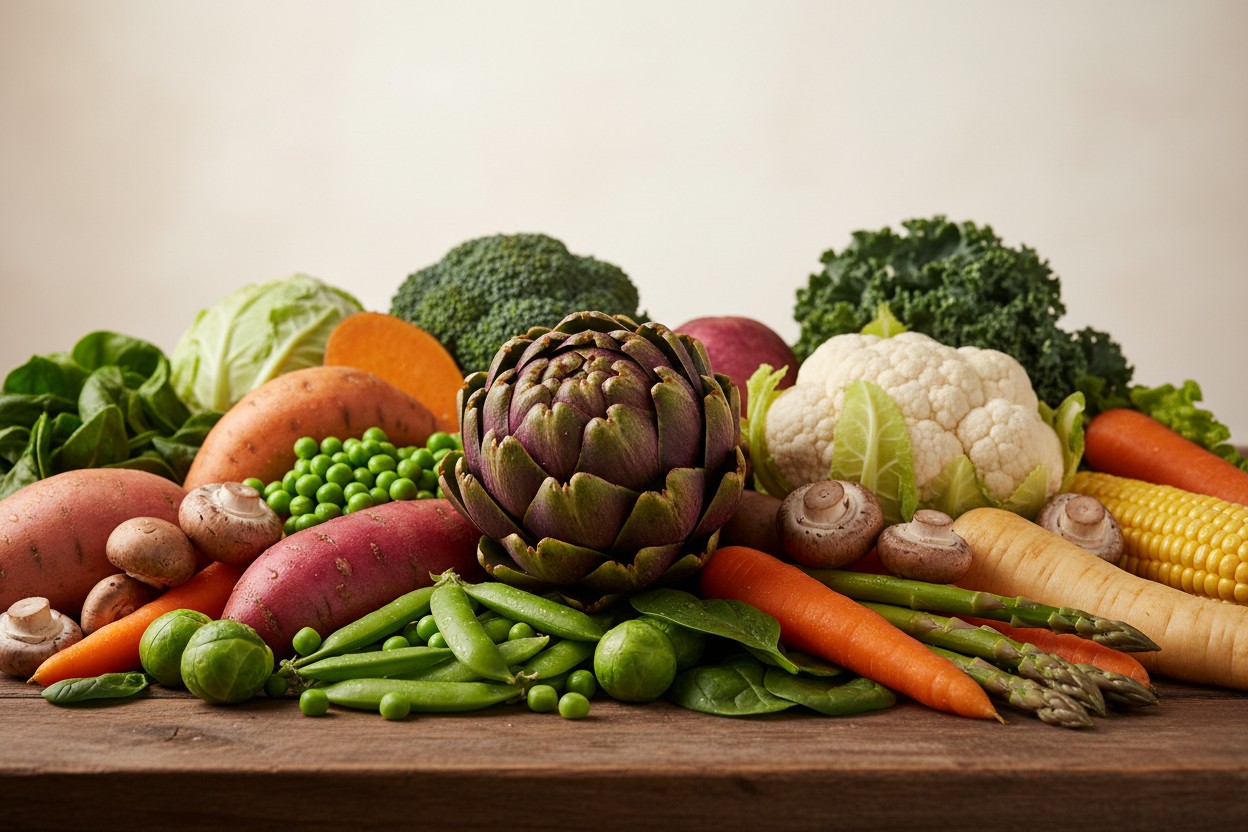
The path to a robust microbiome is built on foods that actively support and feed beneficial bacteria. This includes probiotic foods like yogurt, kefir, kimchi and sauerkraut, which introduce beneficial live microbes directly into the digestive tract. Equally important are prebiotic foods—such as bananas, onions, garlic and asparagus—which contain specialized fibers that act as fuel for those good bacteria, helping them thrive and produce health-supporting compounds.
“Health resilience is the capacity to actively resist health stressors and to fully recover from illness or injury,” said BrightU.AI‘s Enoch. “It is the sustained ability to pursue well-being and life goals despite challenges. This concept moves beyond merely being disease-free to encompass the dynamic processes of adaptation, recovery and maintaining vitality.”
A high-fiber diet from diverse plant sources is non-negotiable. Whole grains, fruits, nuts, seeds and leafy greens provide the bulk and fermentation substrates that keep the microbial community diverse and active. Furthermore, foods rich in polyphenols—antioxidant compounds found in berries, apples, tea, cocoa and artichokes—help balance microbial populations and boost immune function, offering protection against diseases like colorectal cancer.
The emerging science of the gut microbiome transforms the old adage “you are what you eat” into a precise biological truth. In a time of complex health challenges, the decision to nurture the gut microbiome represents a powerful, personal act of preventive medicine, building resilience from the inside out.
Watch and learn as Health Ranger Mike Adams discusses gut health, digestion and microbiome with Dr. Basima Wiliams.
This video is from the Health Ranger Report channel on Brighteon.com.
Sources include:
Submit a correction >>
Tagged Under:
Alcohol, artificial sweeteners, bacteria, digestion, grocery cures, gut disruptors, gut health, gut microbiome health, inflammation, intestinal lining, L-carnitine, leaky gut, natural health, natural medicine, prevention, remedies, research, Study, toxins
This article may contain statements that reflect the opinion of the author
RECENT NEWS & ARTICLES